
Comparing Vinyl-Coated vs. Uncoated Wire Mesh: Which is Right for Your Project?
When it comes to choosing wire mesh for your project, one of the big decisions is whether to go with vinyl-coated or uncoated wire mesh. Both have their strengths and weaknesses, and the right choice depends on your specific needs, whether it’s for fencing, gardening, animal enclosures, or industrial applications. At Wire Cloth Man, we offer a wide range of both options, and we’re here to break down the pros and cons to help you decide.
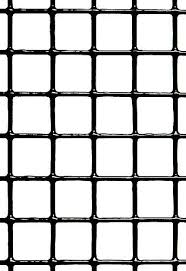
Vinyl Coated Wire Mesh
Vinyl-coated wire mesh, like our Vinyl Coated Welded Wire or Vinyl Coated Hardware Cloth, starts with galvanized steel wire that’s coated with a layer of PVC (polyvinyl chloride). This coating adds an extra layer of protection and some aesthetic perks. Here’s what you need to know:
Pros of Vinyl-Coated Wire Mesh
- Rust and Corrosion Resistance: The PVC coating shields the steel from moisture, making it ideal for outdoor environments like gardens, pool enclosures, or coastal areas where humidity is high. This extends the mesh’s lifespan significantly.
- Weather Durability: Vinyl-coated mesh stands up to harsh weather—think UV rays, rain, or extreme temperatures—without degrading or discoloration. It’s built to last in tough conditions.
- Aesthetic Appeal: Available in colors like black and green, vinyl-coated mesh blends seamlessly into landscapes or matches your property’s look. It’s a great choice if appearance matters.
- Low Maintenance: The smooth, non-porous coating resists staining and is easy to clean, reducing the need for frequent upkeep.
- Safety: The coating eliminates sharp edges, making it safer for applications around pets, kids, or public spaces like playgrounds.
- Versatility: From fencing to animal enclosures and many other applications, vinyl-coated mesh is flexible for a variety of uses.
Cons of Vinyl-Coated Wire Mesh
- Potential Coating Damage: Over time, the vinyl can chip or peel, especially in high-wear environments or if improperly installed. If the underlying wire isn’t galvanized, exposed areas can rust.
- Not Ideal for Heavy-Duty Strength: While durable, vinyl-coated mesh may not match the raw strength of thicker uncoated stainless steel for high-stress applications.
Uncoated Wire Mesh
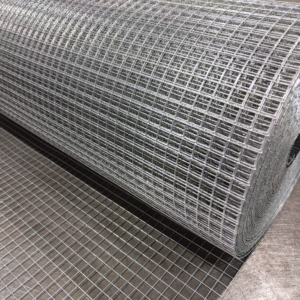
Uncoated wire mesh, like our Galvanized Welded Wire or Stainless Steel Mesh, is typically made from galvanized steel or stainless steel without any additional coating. It’s a straightforward, no-frills option that’s been trusted for years.
Pros of Uncoated Wire Mesh
- Cost-Effective: Uncoated mesh is generally cheaper upfront, making it a go-to for budget-conscious projects or large-scale applications.
- High Strength: Materials like stainless steel offer superior strength and durability, perfect for heavy-duty uses like industrial applications or high-impact fencing.
- Reliable Performance: Galvanized or stainless steel uncoated mesh has a proven track record for durability, especially in dry or less corrosive environments.
- Easy to Inspect: Without a coating, you can visually check the wire for wear or damage, which is critical for applications like lifelines or structural supports.
- Recyclability: Uncoated metals, especially stainless steel, are often easier to recycle and may have a lower environmental impact compared to PVC-coated options.
Cons of Uncoated Wire Mesh
- Less Aesthetic Appeal: Uncoated mesh has a metallic, industrial look that may not blend well with landscaping or decorative projects.
- Higher Maintenance: Without a protective coating, uncoated mesh may require more frequent cleaning or replacement in harsh conditions.
- Sharp Edges: Uncoated wires can have rough or sharp surfaces, posing a safety risk in applications where handling is frequent.
Which Should You Choose?
The best choice depends on your project’s needs. Here are some quick tips to guide you:
- Choose Vinyl-Coated Wire Mesh if:
- You’re working in a wet, humid, or coastal environment where rust is a concern.
- You want a low-maintenance, visually appealing option for fencing, gardening, or animal enclosures.
- Safety is a priority, like in playgrounds or pet enclosures.
- Examples: Vinyl Coated Chicken Wire for coops or Vinyl Coated Hex Netting for garden protection.
- Choose Uncoated Wire Mesh if:
- You’re on a tight budget or need mesh for a large-scale project.
- You need maximum strength for industrial or high-stress applications.
- You’re in a dry environment where corrosion isn’t a major issue.
- Examples: Galvanized Welded Wire for compost bins or Stainless Steel Mesh for industrial screens.
Key Considerations
- Environment: Wet or salty conditions? Go vinyl-coated. Dry and stable? Uncoated might be enough.
- Budget: If upfront cost is a factor, uncoated is cheaper, but vinyl-coated may save money long-term due to less maintenance.
- Application: Need strength for heavy loads? Uncoated stainless steel is your best bet. Want a pretty fence? Vinyl-coated color options win.
- Mesh Size and Gauge: For both types, pick a gauge (wire thickness) and mesh size that matches your needs—thicker wires (lower gauge) for strength, smaller mesh for pest control.
Why Choose Wire Cloth Man?
At Wire Cloth Man, we’ve been in the wire mesh game for decades, so we know our stuff. Whether you need vinyl-coated hardware cloth for a garden project or uncoated galvanized mesh for a construction job, we’ve got you covered with high-quality products and custom options. Our team can help you pick the perfect mesh size, gauge, and coating for your project. Plus, we offer fast shipping and competitive prices!
Ready to get started? Request a quote or browse our full range of vinyl-coated and uncoated wire mesh products today. Let’s find the right solution for your project!

