Company: Gerard Daniel

Choose the Right Deblinding Screen for your Application

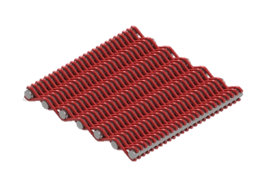
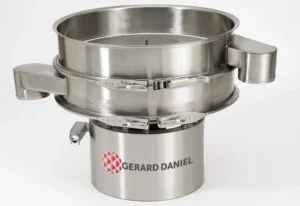
Using a vibratory separator machine is a reliable method of sorting, classifying, and cleaning a wide range of materials, both dry and wet. Because the material is sorted through a wire mesh screen, some materials tend to clog the mesh openings, effectively limiting the capacity of the machine’s throughput. To avoid stopping the process to clean and restart frequently, separator machine manufacturers offer several different types of mechanical cleaning systems that continually deblind (or de-clog) the screen surface as the machine runs. Determining the best deblinding screen type for your application depends on understanding how the material behaves under each deblinding method.
Written by on April 15, 2025

Micron Mesh Filters – Part One: Evaluating 6 meshes each with a 60 micron retention.

Selecting a micron wire mesh can be a daunting task. To better understand the complexities of mesh selection overall, let’s consider the more limited example of just choosing a 60-micron filtration mesh.  We will first discuss some of the variables in what you expect the mesh to accomplish, followed by a comparison of the ways of weaving different characteristics into the mesh, then conclude with ways an experienced mesh partner can avoid costly and wasteful pitfalls.

Written by on April 15, 2025

Micron Mesh Filters – Part Two: Balancing the Durability and Aperture of Filter Mesh

When choosing a micronic mesh for a filter application, key variables often overlooked are the durability of the mesh, the flow rate through that mesh – and how the two are connected.  Micron mesh filters tend to suffer damage in four different ways: sustained high pressure, repeated pressure fluctuations, corrosion, and operator error when cleaning and servicing the filter.

Written by on April 15, 2025

Understanding Wire Mesh Retention Ratings: Nominal vs. Absolute Micron Retention

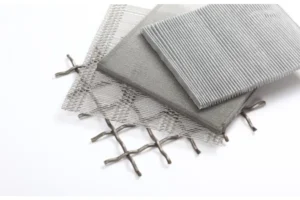
Wire mesh is a versatile material consisting of parallel rows and intersecting columns of wire. It comes in many different shapes, sizes, weave designs, materials and metal alloys for a number of industrial and manufacturing applications. Among the specifications used to describe wire mesh are the terms Nominal and Absolute retention rating, but what exactly do these terms mean?

Written by on April 9, 2025

Understanding Micron Mesh Filters, Part Four: Case study – What not to do when designing with filtration wire mesh

A filtration system manufacturer was creating a filter assembly to meet a seawater regulatory specification with a 25-micron rating. They had already completed preliminary rounds of design approval before consulting with a mesh supplier, so they were already locked into a particular 25-micron weave.  The approval of that mesh was based only on its micron retention rating.  They knew they wanted the finished product in a highly saltwater corrosion resistant “Super Duplex” alloy.  

Written by on April 9, 2025

3 Benefits of Wire Mesh for Electrolyzers & Fuel Cells

The demand for new renewable energy sources is giving rise to new-generation fuel cell development and hydrogen production using electrolyzers. Within this sector, wire mesh is one small component of the larger whole, but the right selection plays a critical role in the overall performance of the specified application. So, what exactly is its function, and what are its advantages?

Written by on April 9, 2025